
Table of Contents
[‘Gabby Williams led the Golden State Valkyries past the Atlanta Dream in Game 1 of the WNBA Finals, a statement win for an expansion-era team. Atlanta leave the opener with a clear diagnosis, shot quality, and one game to fix it before the series tilts.’]
Golden State Announce Themselves
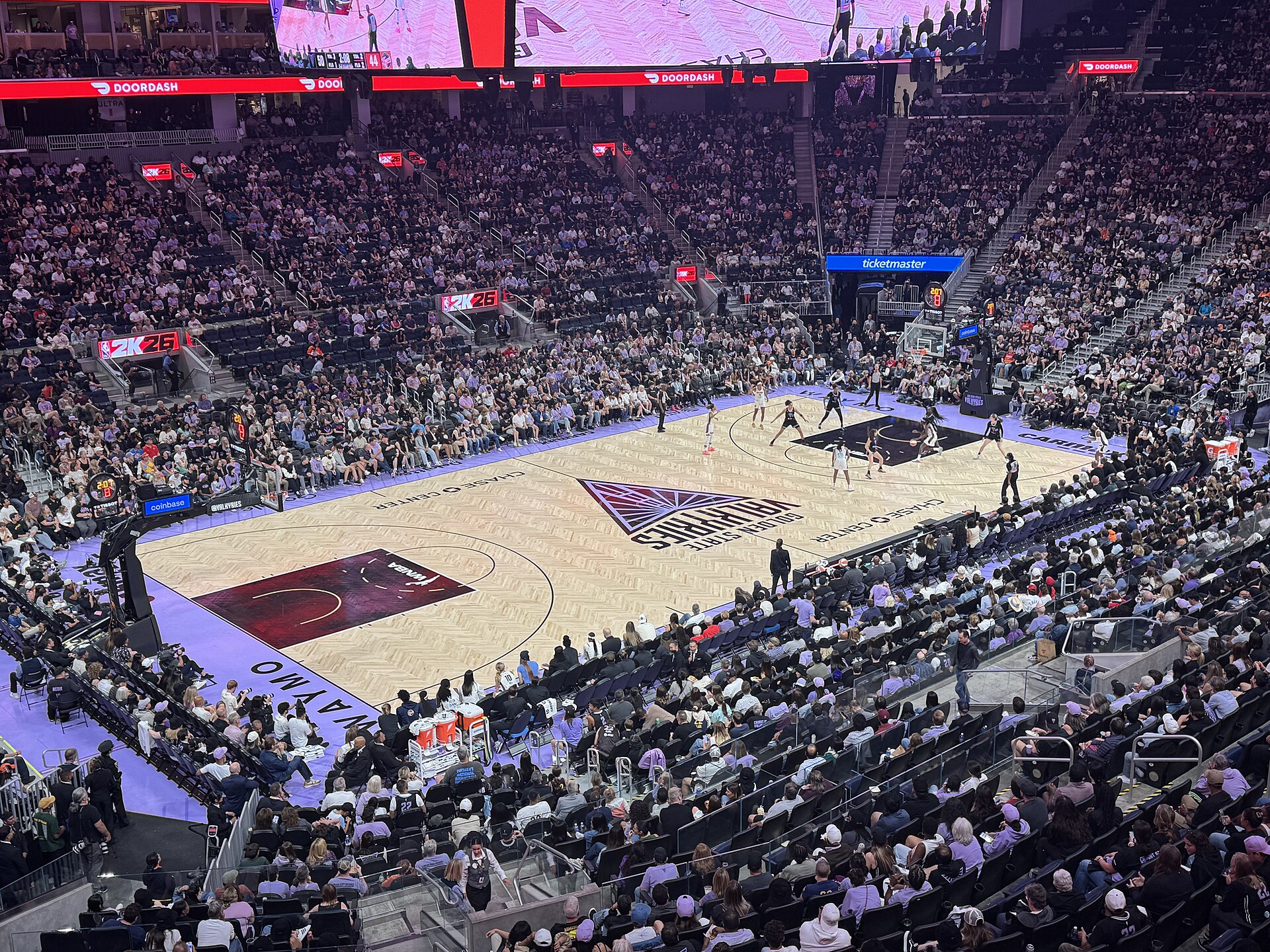
The Golden State Valkyries have beaten the Atlanta Dream in Game 1 of the WNBA Finals, with Gabby Williams leading a performance that announced the expansion-era team as genuine title contenders. First games in a Finals set emotional as well as tactical terms, and Golden State now hold both: a series lead, and proof that their defensive identity travels to the biggest stage.
Game records and series information are maintained on the WNBA’s official site, with analysis and reaction across ESPN’s WNBA coverage. Atlanta’s camp, meanwhile, has been candid about the central problem from the opener: too many possessions ended in difficult, contested shots.
Williams Sets the Tone at Both Ends
Finals series often turn on a player who bends the game towards her team, and in Game 1 that was Williams. She disrupted Atlanta’s guards at the point of attack, hurried decisions and still found the composure to score when Golden State’s offence stalled. Two-way performances of that kind simplify life for teammates, shortening rotations behind her and collapsing defences in front of her.
Atlanta’s adjustment list for Game 2 therefore starts with Williams: screen her earlier, move the ball before she can set, and force other Valkyries to create. None of that is simple against a defence playing with Golden State’s level of connection, but leaving the plan unchanged invites a repeat of the opener’s pattern.
Atlanta’s Shot Quality Problem
The Dream’s post-game message was about creating better shots, and the film supports it. Possessions repeatedly reached late-clock situations against a set defence, the predictable result of Golden State funnelling the ball away from Atlanta’s preferred creators. In Finals basketball, shot quality is usually a story about what happened ten seconds earlier: initiation speed, screening angles and second-side movement.
The fixes are concrete rather than mysterious. Earlier actions before the defence sets, more off-ball screening to free handlers, and a faster trigger on drive-and-kick decisions would all raise the quality of Atlanta’s attempts. So would a transition game that barely featured in Game 1, because easy baskets remain the surest antidote to a locked-in half-court defence. Follow continuing sports coverage on kongotech.net through the series.
A Finals That Showcases the League’s Rise
This series also functions as a showcase for the WNBA’s commercial moment. The Valkyries have been a box-office phenomenon, and a Finals run puts new fans in seats and on screens at exactly the moment the league is converting curiosity into habit. Compelling teams, recognisable stars and a competitive series are the ingredients that growth is actually made of.
For the league, the ideal script is a long series. A sweep would crown Golden State efficiently but end the conversation early; a genuine contest, with Atlanta responding in Game 2, gives casual viewers reasons to return and gives broadcasters a story with chapters rather than a single headline.
What Game 2 Will Reveal
Game 2 hands Atlanta the oldest assignment in playoff sport: respond, or watch the series tilt heavily before it travels. Expect more pace, more screening variety and a deliberate attempt to make Golden State’s helpers make decisions. Expect, in return, the Valkyries to lean into the defensive waves and bench depth that sustained their intensity across forty minutes in the opener.
Finals history offers the Dream comfort of a specific kind: openers are lost by eventual champions regularly, but only when the losing team changes something real. Game 1 was information. Whether it becomes the series’ defining pattern depends entirely on what Atlanta do with it next.
Background: An Expansion Team Ahead of Schedule
Some context sharpens what Golden State have done. The Valkyries were assembled as an expansion project in a league whose established powers guard Finals places jealously, and their rapid rise has been powered by defence, depth and a home crowd that turned their arena into a genuine advantage. Winning a Finals opener against an Atlanta side with championship ambitions of its own is the strongest evidence yet that the project is ahead of every reasonable schedule its architects could have set.
Rival executives are studying Golden State’s roster construction the way they study any sudden contender, looking for the replicable insight: the undervalued skill, the contract structure, the style of play the market had mispriced. Atlanta’s camp, by contrast, publicly treats Game 1 as information rather than verdict. Both responses are rational. One team is being examined as a model; the other is trying to ensure the examination remains premature.
The Bottom Line
Game 1 gave the Finals a protagonist, a problem and a plot. The protagonist is Williams, whose two-way performance set terms Atlanta must now answer. The problem is shot quality, diagnosed honestly by the Dream themselves. The plot is whether an expansion team’s dream season survives the adjustments that Finals basketball always eventually demands.
That is a rich position for a series to be in after one game. If Atlanta respond, this becomes the classic the league hopes for; if they cannot, Golden State’s story becomes one of the most remarkable in the sport’s recent history. Either way, the opener has ensured the rest of the series will be watched closely.
