
Table of Contents
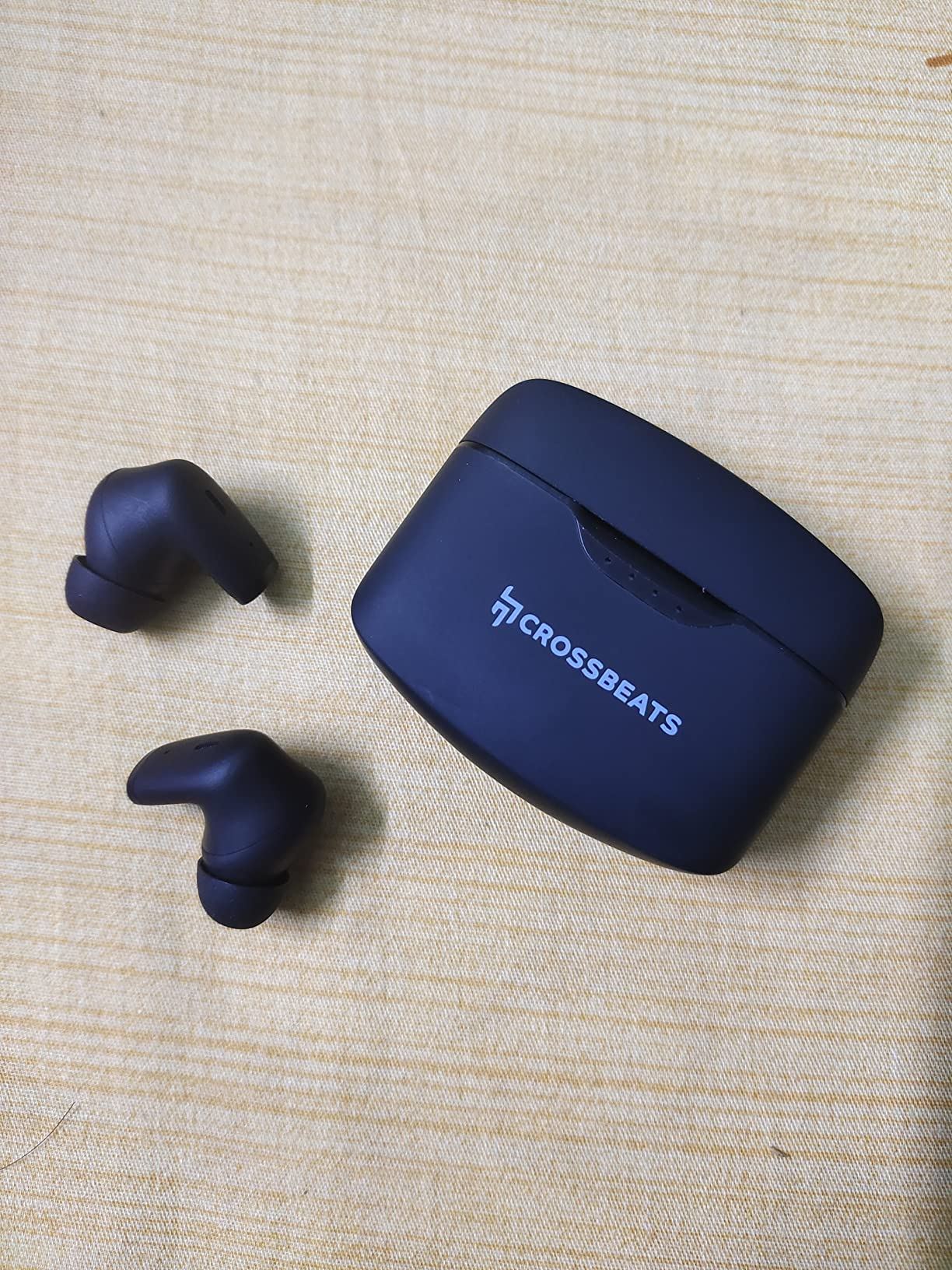
Wireless earbuds sit in millions of ears for hours a day, and manufacturers are turning that presence into a hearing health tool. New models track how loudly and how long users listen, warn when weekly exposure approaches levels associated with damage and run informal hearing checks that compare a user’s responses against age-based norms. Audiologists have long argued that hearing loss from leisure noise is preventable but poorly measured, because people rarely know their true exposure and clinics see them only after damage is done. Earbuds change the measurement problem: the device producing the sound knows its own output precisely and can log dose the way a fitness tracker logs steps. When a check suggests a change, the software can recommend a professional test rather than attempting diagnosis, keeping the earbuds in the role of early warning rather than medical device. Some models also offer hearing assistance features that amplify conversation in noisy rooms for users with mild difficulties who do not wear hearing aids, blurring a boundary that regulators are now defining more carefully. For younger listeners, exposure dashboards presented plainly, without scolding, appear to change behaviour more than one-off warnings, especially when the app shows recovery rest days for the ears alongside the risky sessions.
What the Evidence Shows
The public health opportunity is considerable, since untreated hearing loss is linked with social withdrawal and cognitive decline, and early habits shape lifetime exposure. Schools and employers in noisy industries are piloting earbud-based monitoring as a complement to traditional audiometry, which remains the standard for diagnosis. Privacy deserves attention: hearing data is health data, and users should control whether it leaves the device, a design choice manufacturers increasingly advertise. There are technical limits too. Fit changes the sound actually delivered, background noise tempts users to raise volume, and a quick self-check cannot reproduce a clinician’s controlled test. Researchers therefore validate earbud checks against clinic results and publish the margins of error rather than hiding them. The direction of travel, though, is toward prevention embedded in everyday objects, much as phones quietly count steps. If earbuds can persuade a generation to treat hearing as something to budget and protect, rather than something to mourn after concerts and commutes have taken their toll, the benefit will compound for decades. The technology succeeds precisely because it asks little: wear what you already wear, and let it keep a gentle, honest tally. Reporting and analysis from sources such as Wired track the same developments, and specialists following hearing health monitoring earbuds say the direction is now consistent across independent lines of evidence.
The Wider Context
The wider context is an industry learning to ship capability and restraint together. Products built around hearing health monitoring earbuds now launch with safety evaluations, usage data and rollback plans as standard, because enterprise buyers and regulators ask for them in the first meeting. Companies that treated those questions as friction are discovering they have become the purchase criteria.
What Happens Next
What happens next for hearing health monitoring earbuds depends less on another breakthrough than on the unglamorous work of reliability, pricing and support. The buyers evaluating it now are not enthusiasts; they are operators with budgets and auditors, and their checklists will decide the timeline. On the evidence of the current pilots, the technology has earned the right to be judged by them. You can follow related developments in our coverage of technology.
None of this will be settled by a single announcement, study or product launch. The pattern to watch is accumulation: independent confirmations, honest reporting of failures and steady improvement in the underlying numbers. Readers who follow those signals, rather than the loudest claim of the week, will understand this subject better than most of the commentary surrounding it suggests is possible.
